When it comes to landscape design, many elements come into play—plants, structures, and textures. However, one component that can significantly influence the overall ambiance of a space is color. Understanding color psychology can help you make informed decisions that not only enhance aesthetic appeal but also evoke specific emotions and responses. In a place like Queen Creek, Arizona, where natural beauty meets residential living, leveraging the power of color in landscaping can transform outdoor spaces into serene retreats or vibrant gathering spots.
Color holds a powerful sway over our perception and feelings. It can stimulate the senses, create harmony, or even induce calmness. Each hue carries its own set of associations and impacts how we experience an environment. By incorporating these principles into your landscape design choices, you can create spaces that resonate with your personal style while also serving functional purposes.
The Basics of Color Psychology
At its core, color psychology is the study of how colors affect human behavior and emotions. Different cultures may interpret colors differently, but there are some universal associations that are broadly recognized. For instance:
- Red often signifies passion or urgency; it’s an energizing color. Blue evokes calmness and tranquility; it’s associated with stability. Green represents nature and growth; it promotes healing and refreshment. Yellow stimulates happiness and cheerfulness; it draws attention. Purple conveys luxury and creativity; it has a sense of mystery.
In landscape design, these colors can be strategically used to guide visitors’ feelings as they enter your space. A garden filled with warm reds and yellows might feel lively and inviting for social gatherings, whereas a tranquil blue and green palette could serve as a restful oasis.
Choosing Colors for Specific Effects
Understanding how to choose colors based on their psychological effects is crucial when designing landscapes. The goal is to align your color choices with the desired emotional response from viewers or users of the space.
Creating Inviting Spaces
If your intention is to create welcoming outdoor areas in a residential setting in Queen Creek, consider warm colors like yellows or soft oranges alongside earthy tones like taupe or terracotta. These choices not only make spaces feel friendly but also encourage conversation and interaction.
For example, using yellow flowers such as sunflowers or marigolds around patios creates cheerful focal points that invite people to gather. Pairing these with lush greenery will provide contrast while maintaining a natural look—perfect for Arizona’s climate.
Promoting Relaxation
For homeowners seeking serenity in their outdoor sanctuaries, cool colors should take precedence. Shades of blue and green are ideal for spaces intended for relaxation. Blue flowers like delphiniums or hydrangeas can bring calming vibes to seating areas while surrounding them with soft green foliage enhances the tranquil atmosphere.
Additionally, considering Queen Creek Landscape Installation water features painted in shades of deep blue could amplify this effect further by reflecting light in ways that soothe the mind. In Queen Creek’s arid environment, integrating aquamarine tiles within a pool area could also symbolize refreshment amidst heat.
Encouraging Creativity
If you want to cultivate an inspiring atmosphere conducive to creativity—perhaps around an art studio or writing nook—look toward more vibrant hues like purples or bright greens. These colors stimulate the mind while evoking curiosity.
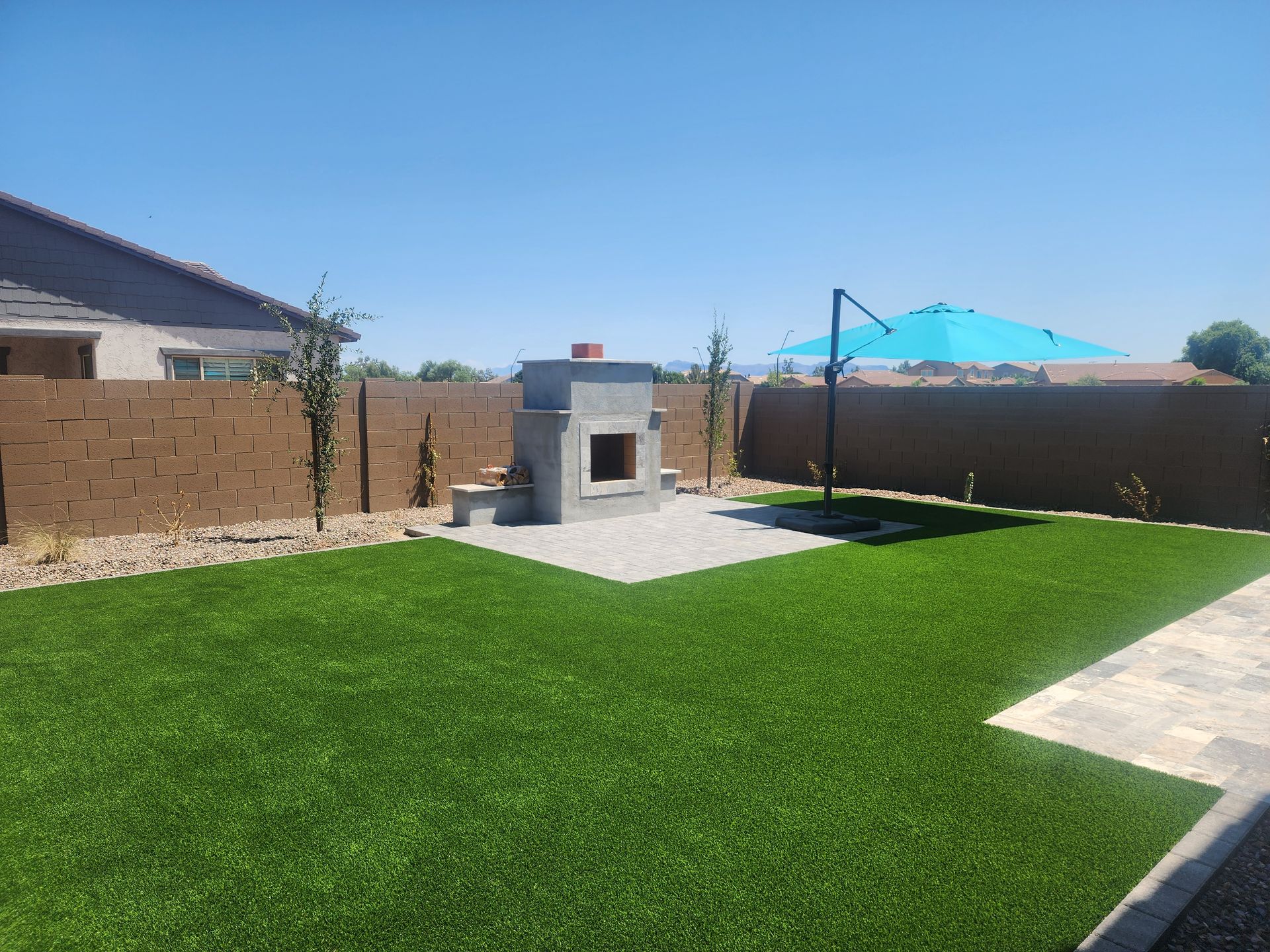
Incorporating lavender plants not only adds visual interest but also infuses the air with soothing fragrances that promote thoughtfulness—a perfect pairing for creative endeavors outdoors.
Harmonizing Colors in Landscape Design
While individual colors elicit particular responses, how they interact with each other is equally important. Harmonious color schemes will create cohesive landscapes that feel well-planned rather than chaotic.
Complementary vs. Analogous Colors
The difference between complementary (colors opposite each other on the color wheel) and analogous (colors next to each other) combinations plays a vital role here:
Complementary Colors: Using complementary colors—like purple flowers against vibrant yellow-orange foliage—creates high contrast that captures attention immediately. Analogous Colors: Analogous schemes use three adjacent colors like orange-yellow-red which creates a more serene effect without overwhelming viewers.Both approaches have their merits depending on what emotional responses you want your landscape to invoke.
Seasonal Considerations
Consider how seasonal changes affect your landscape's appearance too—what looks inviting in spring may seem lackluster by winter’s end if not thoughtfully planned out year-round! Incorporating evergreens alongside seasonal blooms ensures continuity throughout all seasons while allowing periodic bursts of colorful blooms when appropriate.
For instance, planting red tulips in spring sets off white flowering dogwoods beautifully during April before transitioning into summer’s rich greens paired with splashes of lavender bushes blooming nearby later on.
Practical Applications: Local Plants That Fit Your Vision
In Queen Creek's unique climate zone—a blend of desert warmth balanced by cooler evenings—choosing native plants not only supports local wildlife but makes maintenance easier due to their adaptability! Familiarity with native flora allows homeowners greater flexibility when designing landscapes rooted firmly within both aesthetics & environmental responsibility!
Desert Marigold: This bright yellow flower thrives under sunny conditions making it perfect for creating cheerful accents. Lantana: Available in various vibrant hues from purple through red-pink tones; excellent choice for pollinator gardens! Agave: Featuring striking architectural forms & varying shades from pale green through dramatic blues—it offers year-round interest while requiring minimal water. Red Yucca: Its coral-colored blooms attract hummingbirds & butterflies providing delightful movement against neutral desert backdrops. Sagebrush: An essential element within xeriscaping designs known for its silvery-gray foliage offering textural contrast among brighter flowers.Using these native plants allows homeowners not just freedom within their landscapes but connection back towards local ecosystems as well!
Working With Professionals Like Blossom & Oak Landscaping
Navigating effective landscape design isn't always easy—and that's where professionals come into play! Companies such as Blossom & Oak Landscaping specialize specifically in guiding clients through every step—from initial concept discussions down through installation processes—to ensure visions become tangible realities tailored perfectly around individual preferences!

Their expertise ensures proper plant selection aligned with ecological sustainability principles while guiding clients toward suitable palettes reflective both personally yet harmoniously integrated within existing environments!
Whether you're looking to spruce up your backyard oasis or create communal gathering spots outside public venues—the right landscaping service can bring expertise combined seamlessly into every aspect involved ensuring success!
Bringing It All Together
Creating beautiful outdoor spaces requires careful consideration beyond mere aesthetics alone; it's about understanding how elements interact—including color psychology! By thoughtfully selecting hues that reflect desired emotions combined suitably alongside strategic plant choices—we elevate our environments making them truly inviting places anyone would love spending time amongst!
When embarking on your landscaping journey here within Queen Creek AZ remember this fundamental truth: every decision made shapes experiences shared—and applying knowledge around color psychology will forever enhance those moments lived outdoors!
Blossom & Oak Landscaping
20665 S 191st Wy, Queen Creek, AZ 85142, United States
+1 (480) 660-4666
[email protected]
Website: https://www.blossomandoak.com